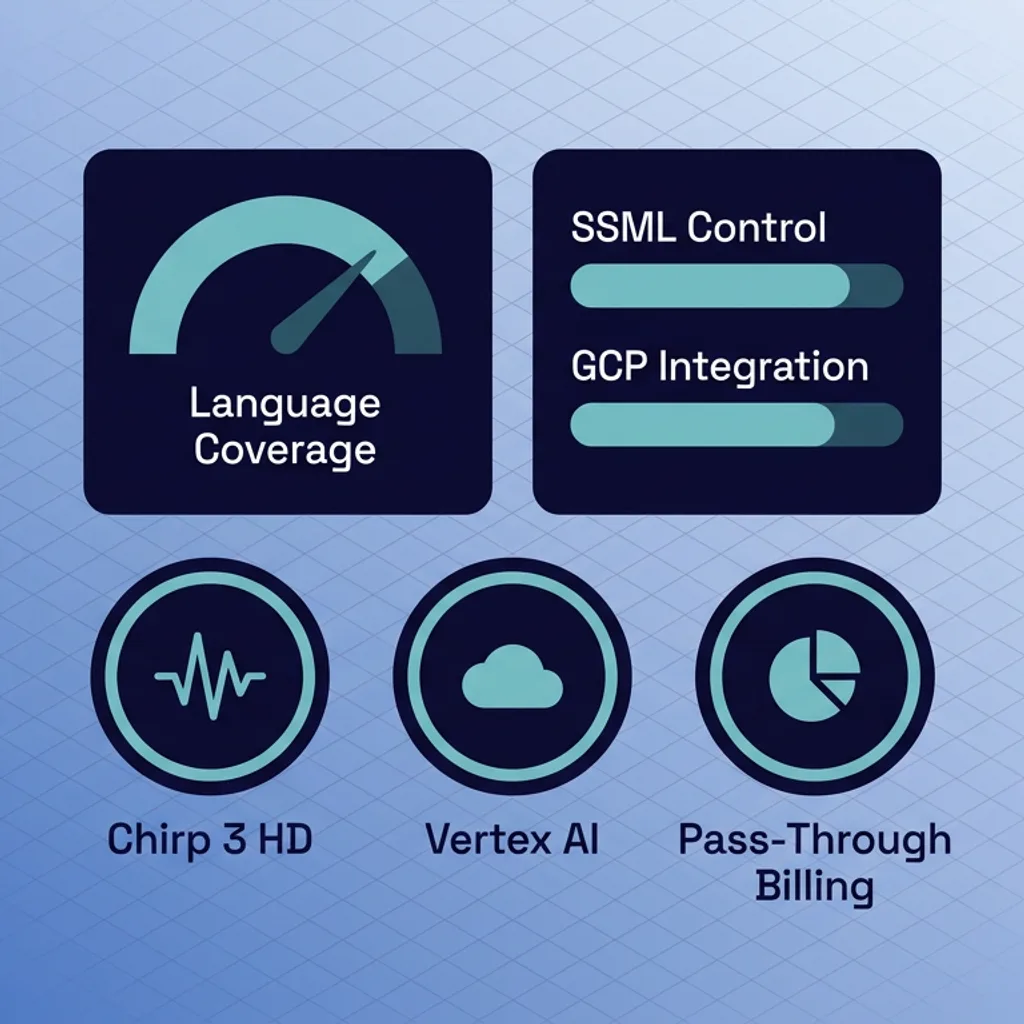
Google Cloud Text-to-Speech on the Syllable TTS Gateway
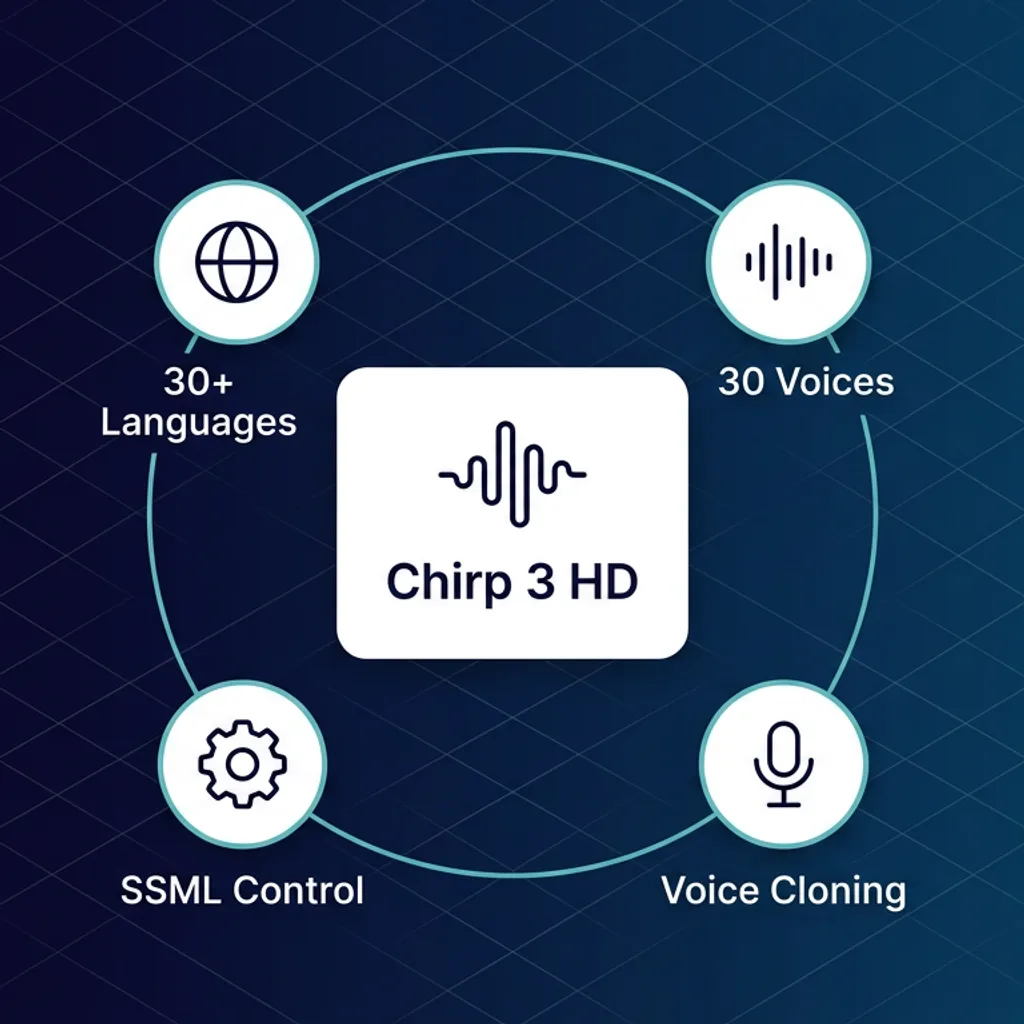
Google Cloud Text-to-Speech is a voice synthesis service offering 30 Chirp 3 HD voices across 30+ languages with SSML prosody control and voice cloning. The Syllable TTS Gateway makes Google Cloud TTS available alongside other providers through a single interface - route by quality, language, latency, or cost with automatic failover and no vendor lock-in.
What is Google Cloud Text-to-Speech?
Google Cloud Text-to-Speech is a voice synthesis service from Google Cloud Platform that converts text into natural-sounding speech. The latest generation, Chirp 3 HD, uses generative models to produce voices with realism and emotional resonance. Key specs:
How does the TTS Gateway work with Google Cloud TTS?
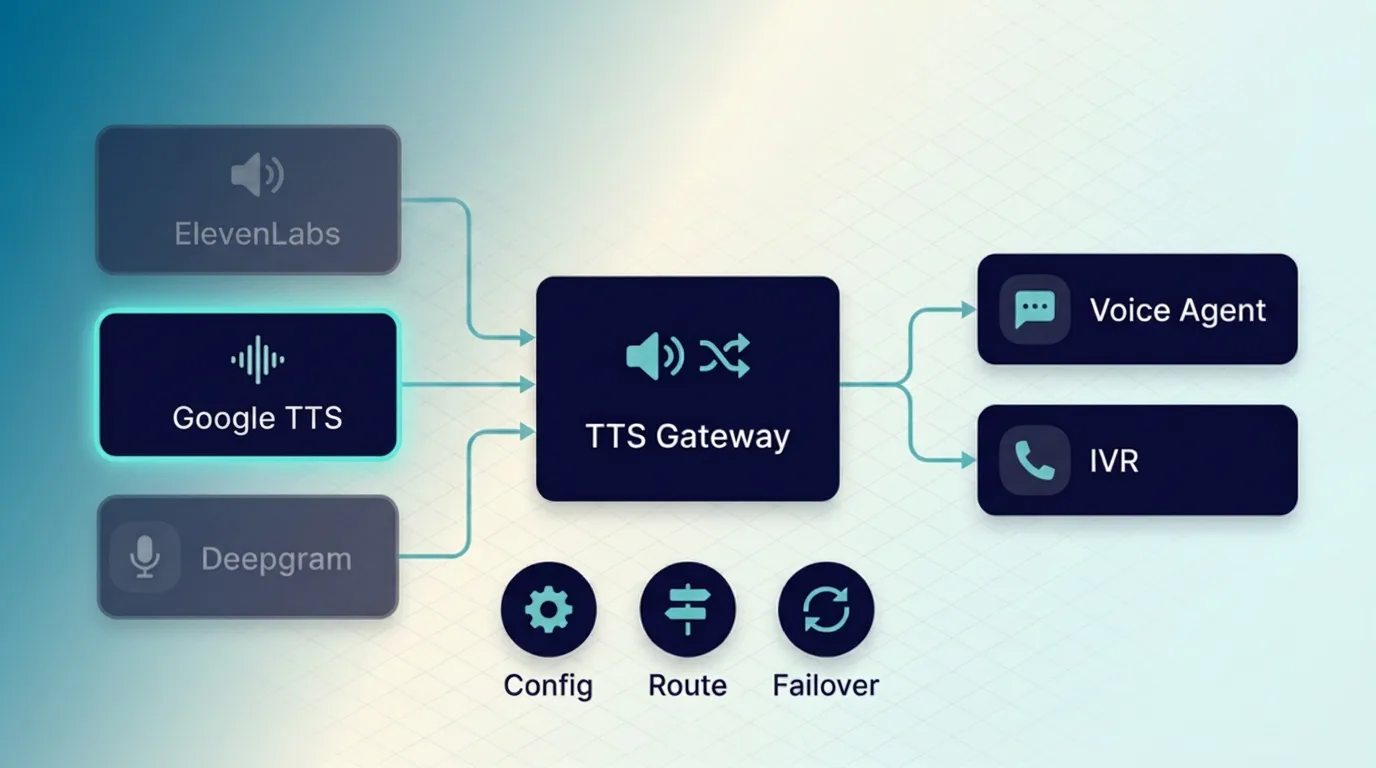
The Syllable TTS Gateway provides a single interface for accessing Google Cloud Text-to-Speech alongside other voice synthesis providers. Teams configure Google Cloud TTS as a provider through the platform and route synthesis requests based on voice quality, language coverage, latency, or cost.
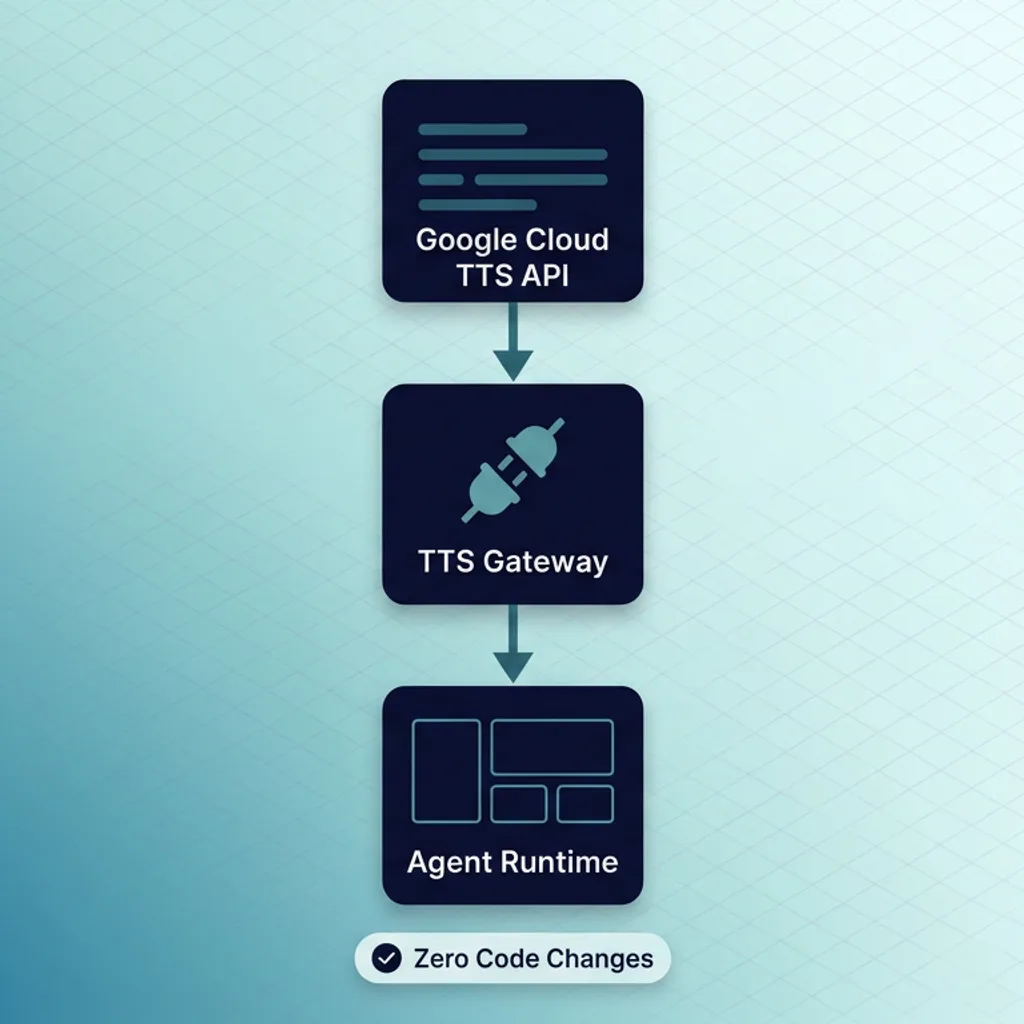
The gateway abstracts the Google Cloud TTS API - including Chirp 3 HD model selection, SSML preprocessing, voice configuration, and audio encoding (LINEAR16, MP3, OGG_OPUS, MULAW, ALAW) - so the rest of the agent runtime operates against a consistent interface. Switching from Google Cloud TTS to another provider, or routing specific workloads to Google while others go elsewhere, requires zero application code changes. No agent rebuild. No redeployment.
This is the neutrality principle that runs through the Syllable Agentic Platform: organizations run AI agents on their terms, retaining leverage over provider decisions instead of inheriting lock-in at the voice layer.
Route and fail over without downtime
Voice agents need speech synthesis that keeps up with live conversation. The TTS Gateway streams audio chunks back to the caller as they are generated rather than waiting for the full utterance, keeping perceived latency low even when Chirp 3 HD processes longer SSML inputs.
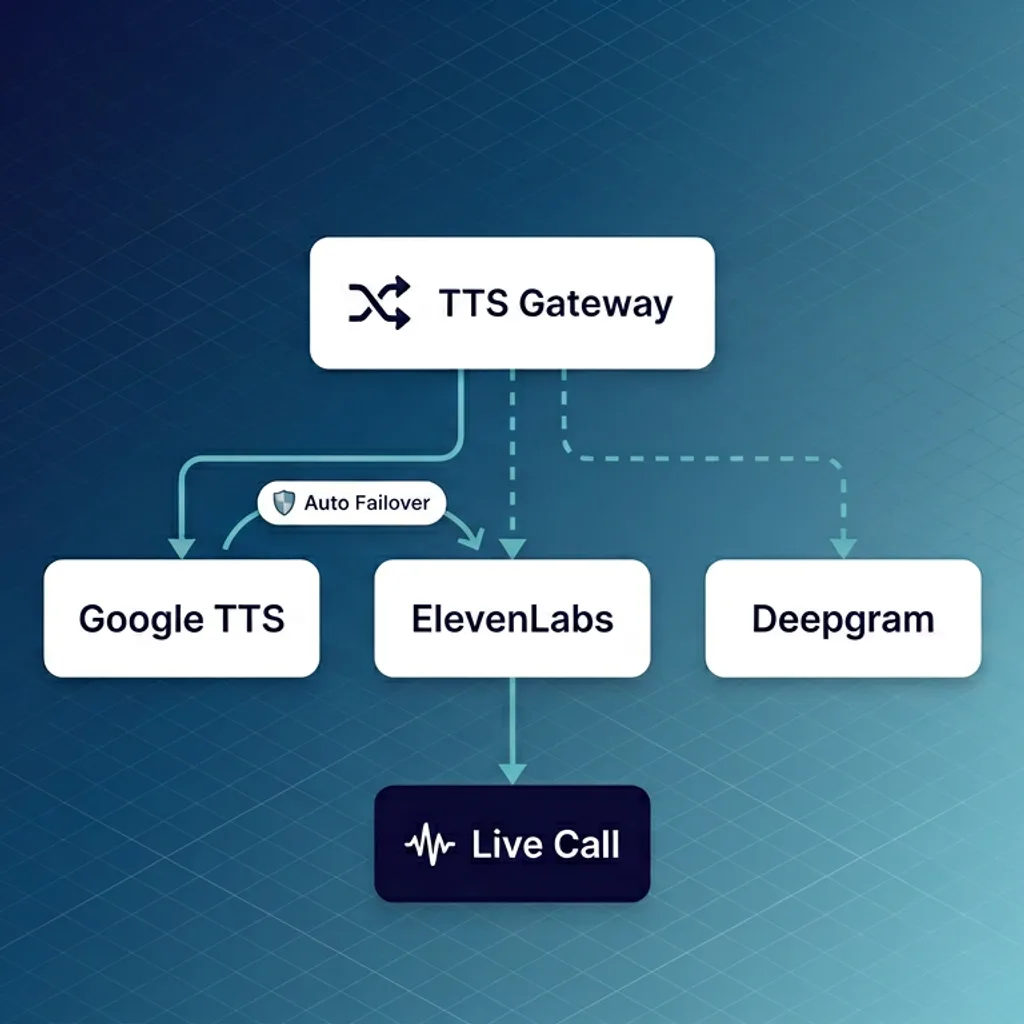
If Google Cloud TTS experiences latency spikes above the configured threshold or returns errors, the gateway fails over to an alternative provider automatically. Agents keep talking. Callers hear no gap. Operations teams get alerted so they can investigate without impacting live traffic.
Teams can route strategically: use Google Cloud TTS for workloads where broad language coverage across 30+ languages matters, and route other workloads to providers optimized for different strengths like ElevenLabs for voice expressiveness or Deepgram for latency-sensitive applications. Adjust routing as provider capabilities evolve.
When should teams choose Google Cloud Text-to-Speech?
Google Cloud Text-to-Speech is a strong fit when broad multilingual coverage and fine-grained voice control are primary requirements. With 30+ languages and SSML support for pitch, rate, and emphasis control at the tag level, the Google TTS API gives teams precise control over how agents sound across different languages and conversation contexts.
Organizations already operating on Google Cloud benefit from native ecosystem integration. Google Cloud TTS works with Vertex AI and existing GCP identity, networking, and billing infrastructure. For teams evaluating the Google TTS API as part of a broader GCP commitment, the Syllable TTS Gateway adds multi-provider routing and failover without requiring the rest of the stack to leave GCP.
Voice cloning through Chirp 3 HD is available in EU and US regions, which aligns with data residency requirements for organizations in regulated industries. Through the TTS Gateway, Google Cloud TTS usage is billed as a pass-through cost with no markup, and teams can shift routing to other providers without contractual or technical lock-in.
What teams get with Google Cloud TTS through the TTS Gateway
Chirp 3 HD voice quality
Google's latest generative voice models deliver natural speech across 30 distinct voices with male and female options in multiple speaking styles. Teams can preview voices like Aoede, Fenrir, and Kore in the Syllable Console before deploying to voice agents.
Broad language coverage
Google Cloud TTS supports 30+ languages including English, Spanish, French, German, Chinese, Hindi, and Japanese with ongoing expansion. Teams building multilingual agents can assign Google Cloud TTS voices per language through voice groups in the Syllable Console.
GCP ecosystem compatibility
Organizations already running workloads on Google Cloud can extend that investment to voice synthesis through Vertex AI integration. The TTS Gateway makes Google Cloud TTS available alongside other providers without requiring the rest of the stack to run on GCP - Syllable supports AWS, GCP, Azure, and OCI.
Provider flexibility
Google Cloud TTS is one option among several on the TTS Gateway, alongside ElevenLabs and Deepgram. Switch or combine providers as requirements change - a configuration change, not a migration.
Common questions about Google Cloud TTS on the TTS Gateway
How does Google Cloud TTS pricing work with Syllable?
Google Cloud TTS usage is billed as a pass-through cost with no markup from Syllable. Teams pay Syllable platform rates for hosting and orchestration, and Google Cloud charges flow through at cost. See [pricing](/pricing) for metered rate details.
Which Google TTS voices are available through the TTS Gateway?
Teams can access Google Cloud Text-to-Speech voices including the latest Chirp 3 HD voices. Voice selection and preview happen in the Syllable Console, where teams can listen to samples and [compare voices across providers](/blog/voice-preview-feature) before deploying.
Can teams use Google Cloud TTS alongside other providers?
Yes. The TTS Gateway supports multiple providers simultaneously. Teams can route specific languages or workloads to Google Cloud TTS while using other providers for different needs. Switching between providers is a configuration change.
Does the organization need to be on Google Cloud to use Google Cloud TTS?
No. The Syllable Agentic Platform is multi-cloud and supports AWS, GCP, Azure, and OCI. Teams can use Google Cloud Text-to-Speech through the TTS Gateway regardless of where their infrastructure runs.
What happens if Google Cloud TTS goes down?
The TTS Gateway supports automatic failover. If Google Cloud TTS degrades, synthesis requests route to an alternative provider. Agents continue operating without manual intervention.
Ready to run Google Cloud TTS through the TTS Gateway?
Access Google Cloud Text-to-Speech alongside other providers on the trusted neutral platform.