Natural conversations
Handles complex accents, interruptions, and emotionally sensitive callers. Routing agents are designed for dignified, natural interactions - not robotic phone menus.

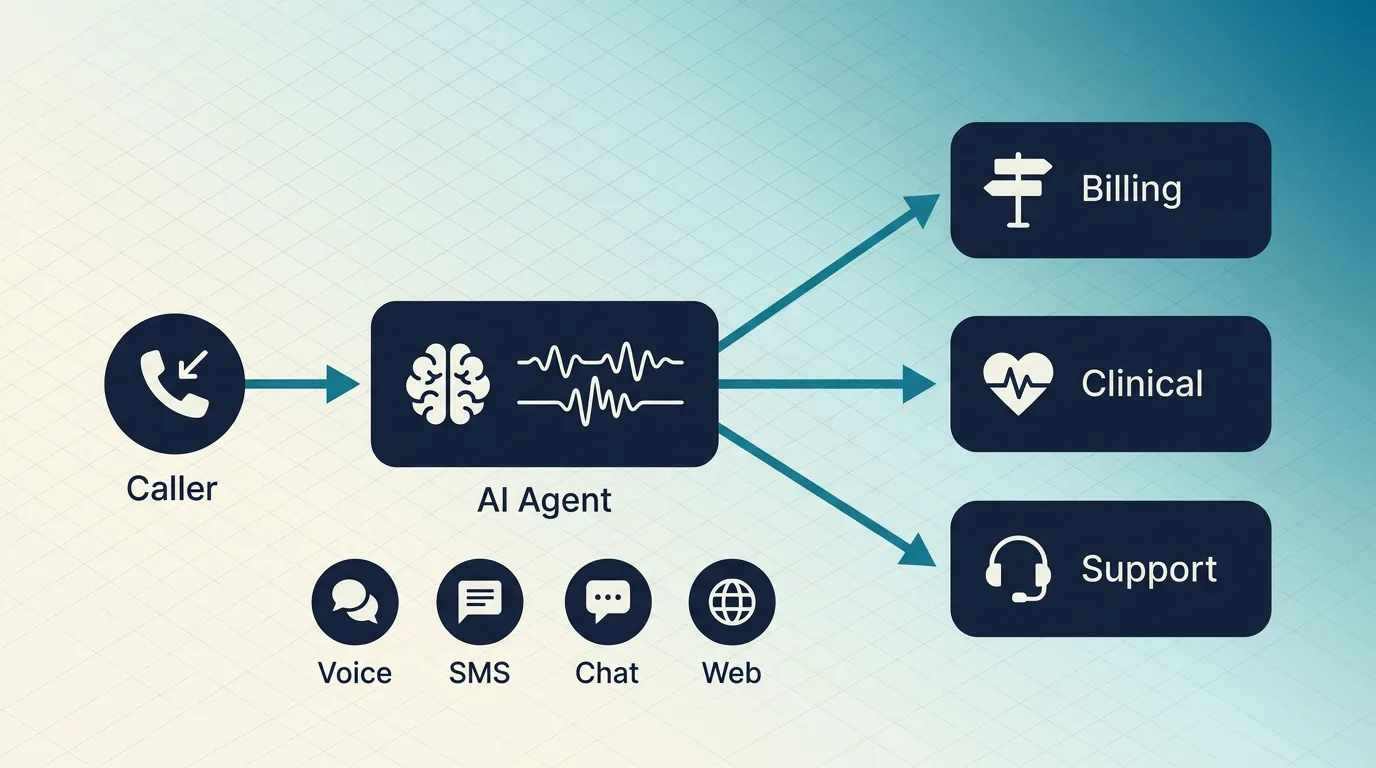
Syllable AI agents understand natural language, follow your routing policies, and connect callers to the right department - without hold times, phone trees, or manual triage. Support voice, SMS, chat, and web from one platform.
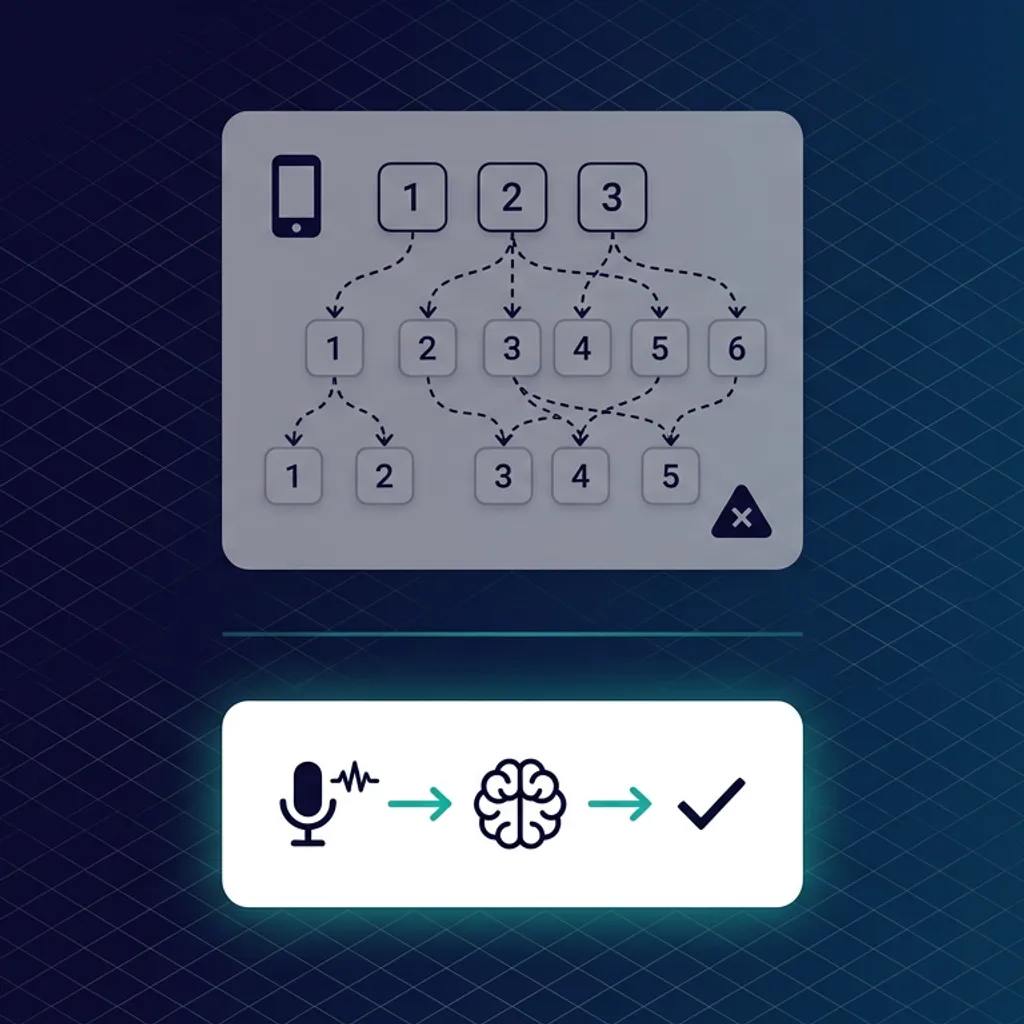
Traditional call routing forces callers through rigid menus, numbered options, and repeated transfers. The experience frustrates callers, wastes staff time on misrouted calls, and creates blind spots where context is lost between every handoff.
Teams end up managing a tradeoff between wait times, routing accuracy, and staffing costs - with no good way to improve all three at once.
The Syllable Agentic Platform replaces that tradeoff with AI agents that listen, understand, and route calls based on organization policies - with full context preserved from the first word to the final handoff.
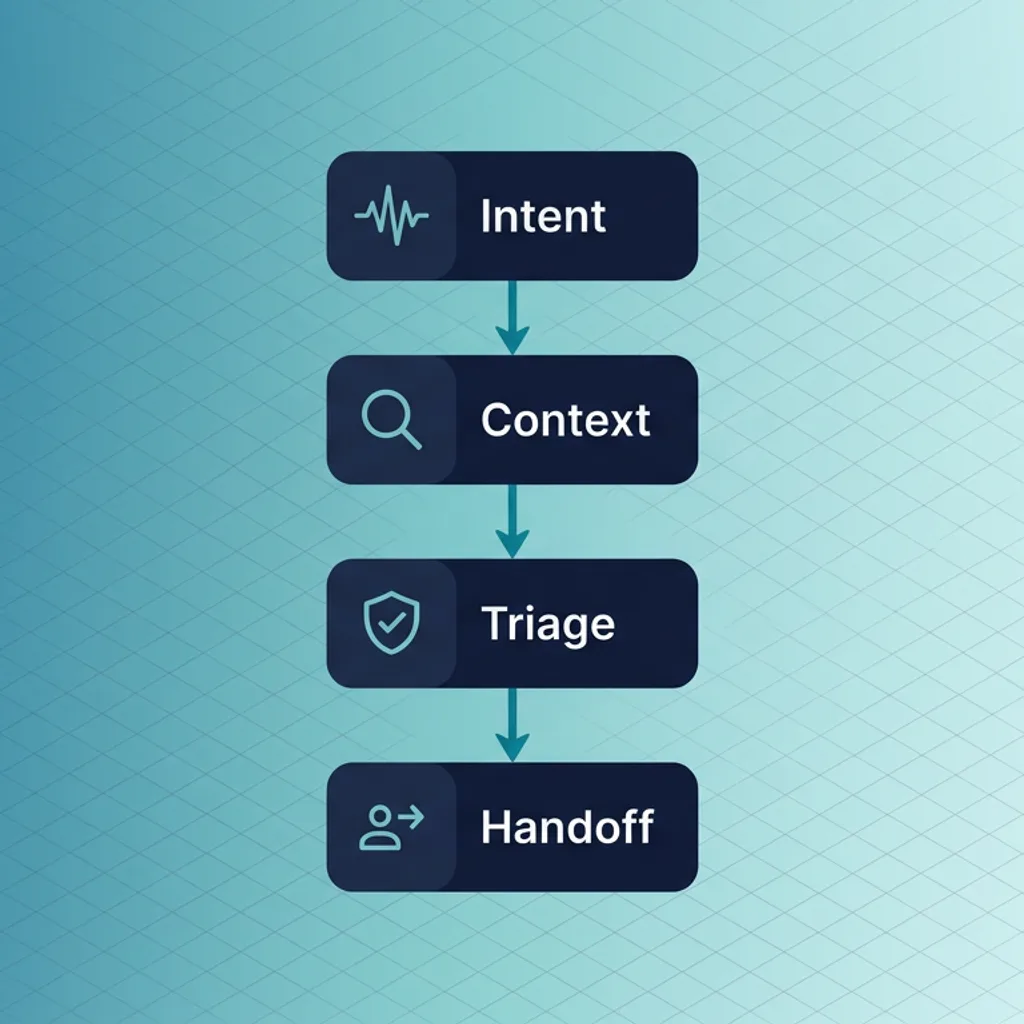
Step 1 - Intent recognition
The agent listens to the caller describe their issue in their own words. No phone trees, no numbered menus. Natural language understanding handles accents, interruptions, and complex requests.
Step 2 - Context retrieval
The agent checks connected systems - CRM, EHR, helpdesk, or other data sources - to verify caller identity and pull relevant account history. Integrations use standard APIs and protocol-based tools including Model Context Protocol (MCP).
Step 3 - Policy-based triage
Based on routing policies and guardrails defined by your team, the agent determines whether it can resolve the request directly or needs to escalate. Routing logic follows your rules, not the model's judgment.
Step 4 - Contextual handoff
When escalation is needed, the agent transfers the live call to the appropriate team member with a complete session summary - conversation context, caller identity, and triage reasoning - so the human operator picks up without asking the caller to repeat themselves.
Handles complex accents, interruptions, and emotionally sensitive callers. Routing agents are designed for dignified, natural interactions - not robotic phone menus.
Detects the caller's language and responds in real time. Multilingual support helps teams deliver access across contact-center, patient, student, and service workflows without standing up separate systems per language.
Routes requests across voice calls, SMS, chat, and web from a single routing logic. One set of policies, one platform, consistent behavior across channels.
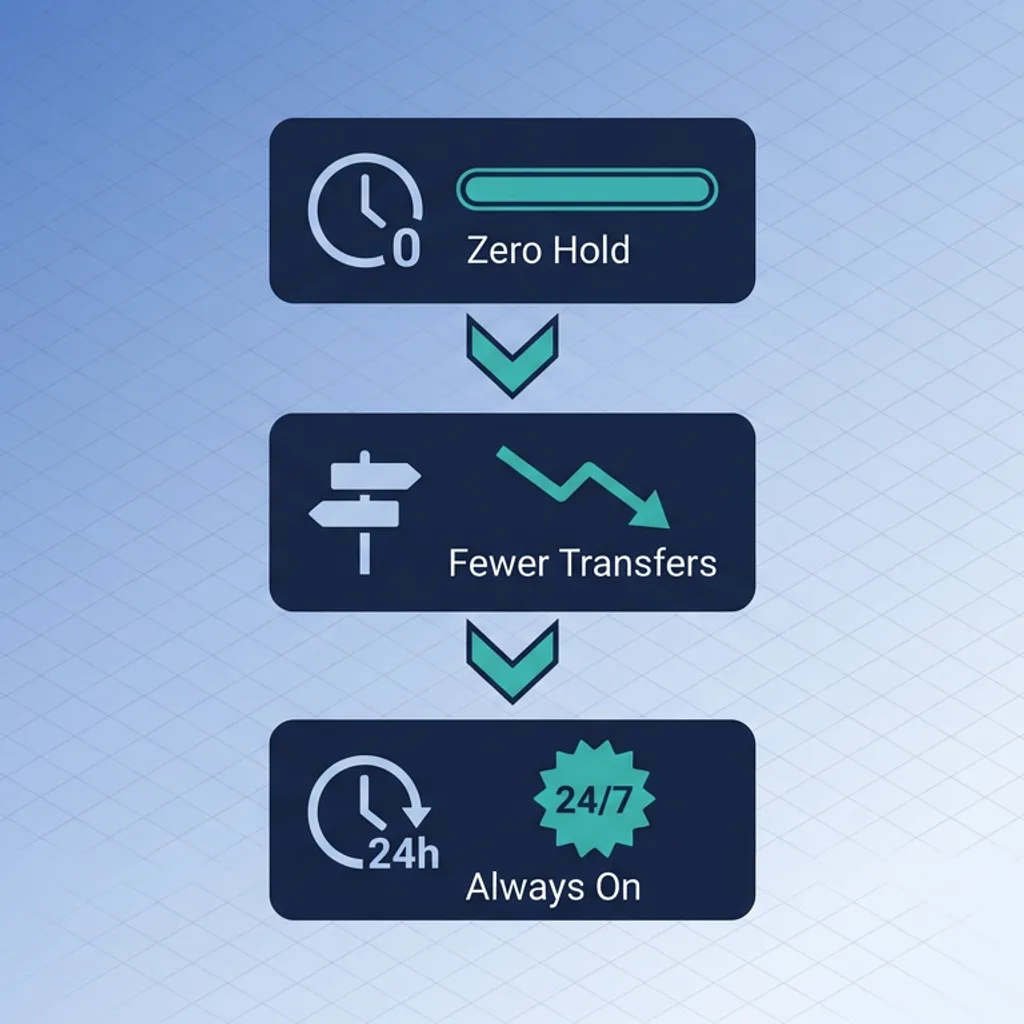
Teams using the Syllable Agentic Platform for call routing replace manual triage with agents that operate around the clock and route with consistency that staff-dependent models cannot match.
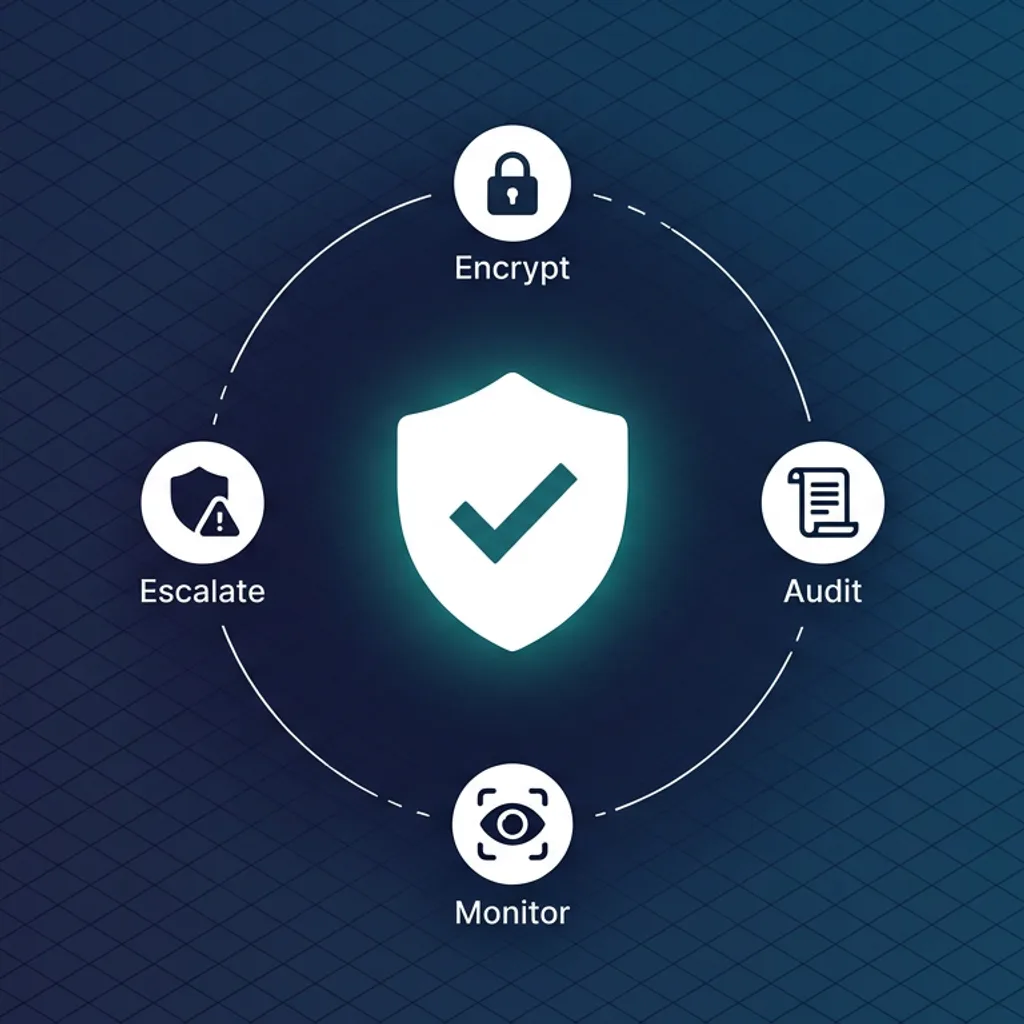
Every routing decision is traceable. The Syllable Agentic Platform logs the full interaction path - what the agent heard, what systems it checked, what policy it applied, and where it routed the call. Session logs and interaction histories provide complete visibility into every agent decision, feeding directly into call center agent insights for continuous improvement.
The platform supports compliance requirements through encryption at rest and in transit, audit logging, continuous monitoring, penetration testing, vulnerability scans, and compliance-oriented controls.
Routing agents operate with strict boundary controls. When a request exceeds the agent's defined authority, it escalates to a human operator immediately - by design, not by accident.
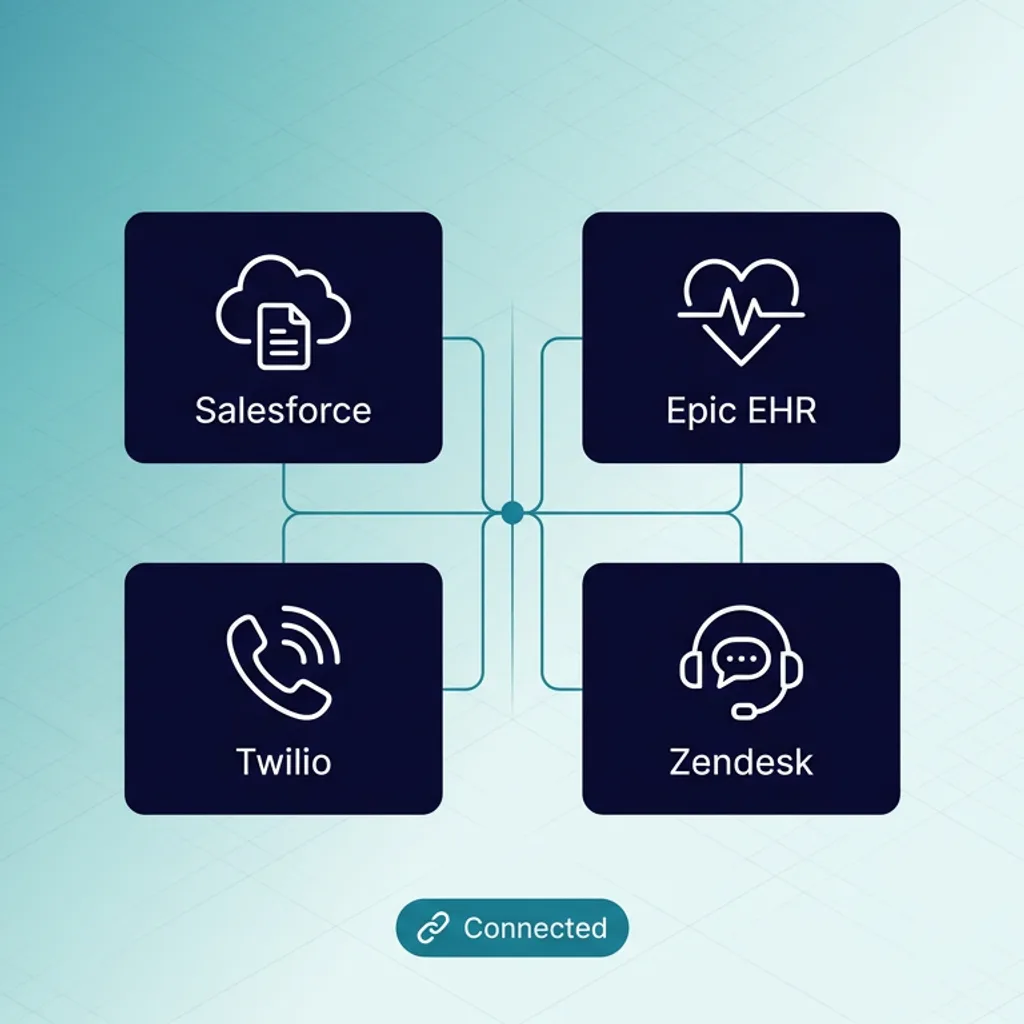
Routing agents retrieve context and take action through direct integrations with the tools teams already rely on. Syllable platform supports connections to CRM, EHR, helpdesk, and telephony systems through standard APIs and protocol-based tools.
Examples of supported integrations:
Yes. The platform supports high concurrency so callers do not encounter busy signals during traffic surges. Scaling is handled by the platform infrastructure, not by adding staff.
Routing agents operate with defined authority limits. When a request exceeds those limits, the agent transfers the caller to a human operator with full conversation context. Escalation is a first-class part of the workflow, not a failure mode.
Yes. Teams can port existing numbers or connect current SIP trunks directly to the platform through Twilio or other carriers.
Yes. See the integrations section above for supported systems and capabilities.